The question of what to expect from Uluru weather by season in Australia in 2026 is easily answered: summer brings extremes of heat, winter nights are cool if not cold, while autumn and spring offer the shoulder-season comfort most would prefer. Travellers will find their best window for a visit is typically between April and May or August and October; in those months you can put in a good walk or head out to Kata Tjuta for the sunrise without it being such an ordeal.
I am Seraphine Langston. When one is making plans for the Red Centre as opposed to merely admiring photographs, the weather is of more consequence than is often supposed. You do not come to Uluru to “see how it goes”. The desert climate has its glorious side but it is also apt to deliver a heatwave or a frosty morning, a thunderstorm out of nowhere, or make you regret underestimating the sun on a protracted trek back to the car park.
Uluru Weather Overview
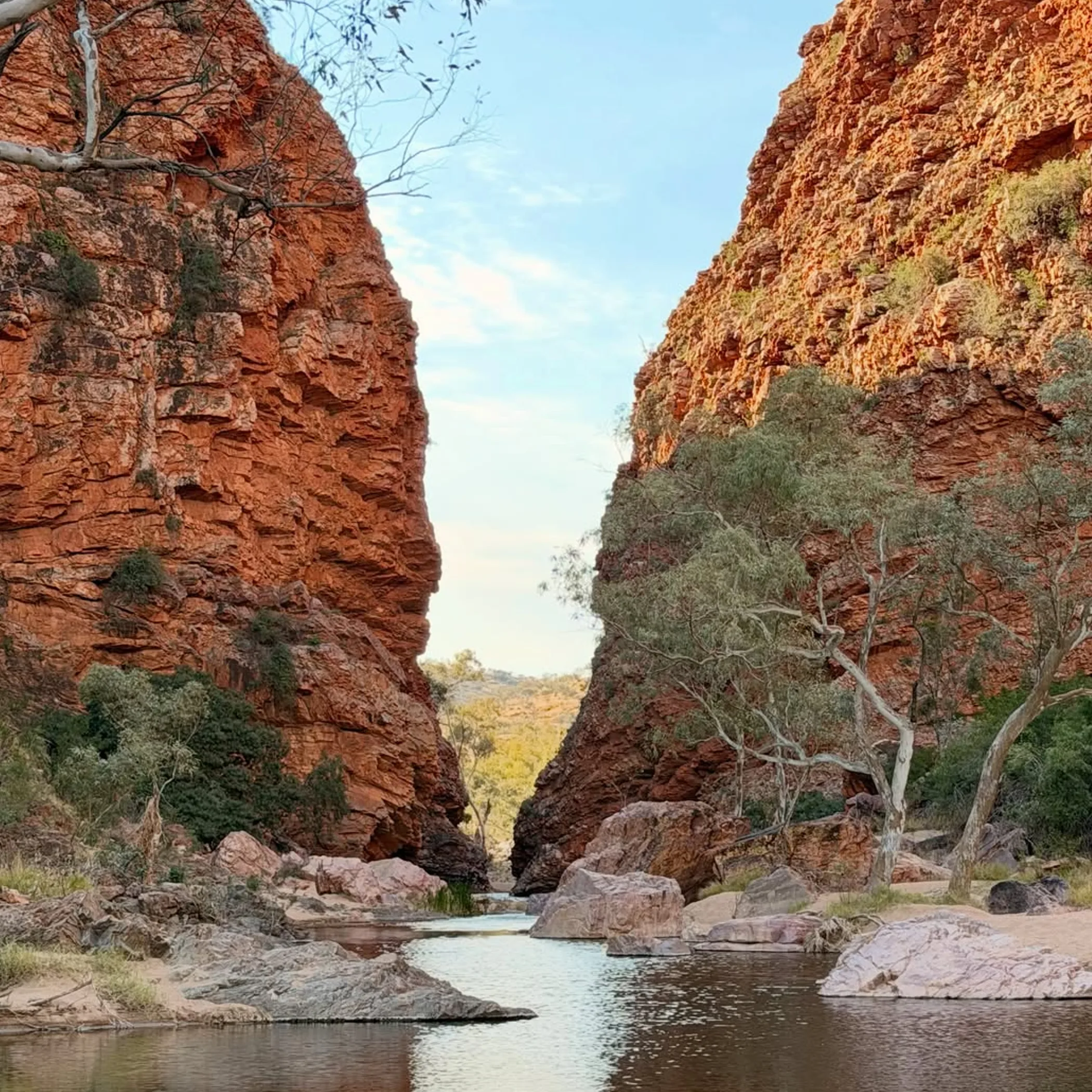
It is worth knowing the lay of the land before we go into the seasons. Situated near Yulara in the Northern Territory, Uluru has the kind of desert climate you would anticipate: hot in summer, cool in winter, not much rain and wide temperature differentials from day to night. The harshest of the heat is usually left behind during the ideal Uluru travel periods.
What tends to take people unawares is the contrast, not only the top end of the thermometer. One might be in a jacket to start with, have done away with it by mid-morning and be in search of some shade and water by afternoon. For safety notices and the latest on conditions, have a look at the Bureau of Meteorology (BOM) forecasts for Australia and Parks Australia’s site for the Uluru-Kata Tjuta National Park prior to your departure.
Climate Basics
For all that the climate at Uluru is dry, rainfall is something to factor in since storms here are intense rather than regular. Summer days will see highs in excess of 35°C and you can get down to 0°C after dark in winter with the odd frost in the area. Time is kept to ACST.
Where it makes itself felt
Weather will have its way with your outdoor walks, any viewing of the sunrise or sunset, the drive in from Alice Springs and the exposed tracks at Kata Tjuta which will seem hotter than your phone indicates, particularly if you are not in the ideal travel period. In the height of summer even the business of getting your bags from the car to Ayers Rock Resort is hard work.
Summer Heat
From December through February Uluru is, quite simply, hot. Should you be visiting then you have to plan your day with early rising and indoor respite in mind. More than any other season this is when you will find travellers putting too fine a point on themselves; they think of it as character building to be out in 40°C plus but it is nothing of the sort, just tiring.
December To February
In 2026 you can count on daytime in the high 30s to low 40s and overnight lows of 20-odd degrees, so the ideal periods for Uluru look all the more appealing. There is the potential for disruption from patchy rain and the occasional thunderstorm given the instability. Then there is the matter of dramatic light and cloud over Ayers Rock which makes for a fine photograph unless you have been caught short of water.
The reality of it
People like to think of a dry desert as orderly. But the reason the ideal Uluru travel periods are what they are becomes apparent when the heat comes on and surfaces are radiating it back at you. On the open ground around Uluru and Kata Tjuta you will feel it flatly. Car parks are all a shimmer and a brief walk seems to go on for ever. Your appetite may well go but you must eat and drink.
Some advice for the hot months
If you have no choice but to go in summer, do not try to put together a day as you would in a temperate coastal town. Make time for the sunrise and a cultural outing in the morning and leave anything more involved for the better months. Be sensible about the middle of the day, let the air-conditioning in your room do its job and have plenty of water on hand. Autumn is the time for balance
Autumn is the time for balance
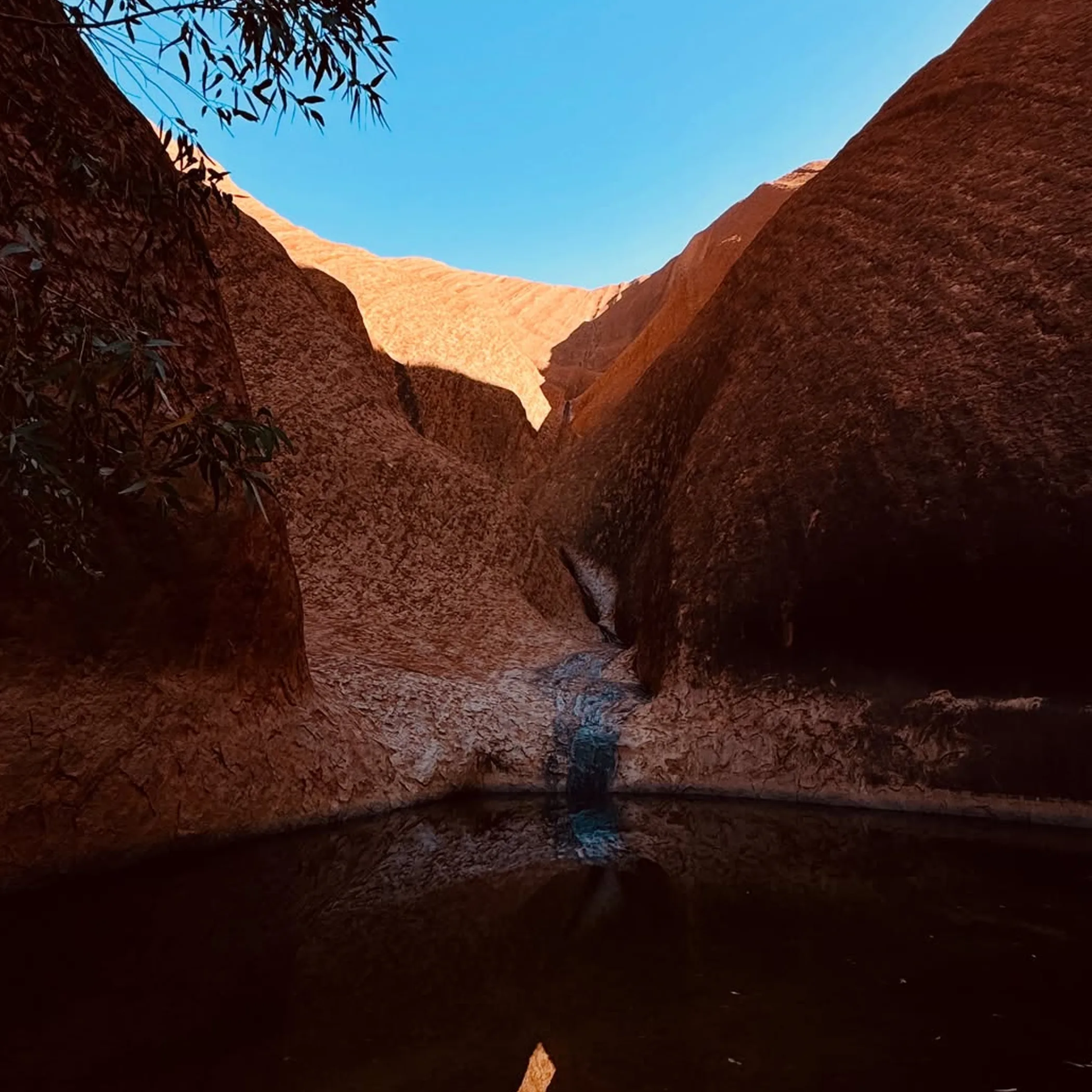
The months of March through May see Uluru put on a more amenable face for those with plans to be out and about. For the traveller in search of some warmth but not the full brunt of a summer flogging, it is an easy window to work with and one that is often considered ideal for an Uluru trip.
Seraphine Langston will tell you autumn is when atmosphere and practical comfort come to terms. There is proper Red Centre warmth to be had yet one’s itinerary is not going to fall apart by 11 am.
Conditions from March to May
Uluru is hot in March and by May has mellowed to something more agreeable; no wonder many put this down as an ideal time to make the journey. You can expect daytime highs to ebb from the low 30s°C to the mid-20s°C as the season wears on and overnight lows are cooler and more restful. Rain is not off the table but the kind of unrelenting heat you would put up with in January is less of an issue.
In favour of autumn
Travellers who like their walks, scenic flights and sunset drinks with some margin for error will find it a sound option, first-timers included. Should your schedule be limited to a day, autumn is accommodating enough to put it to good use: a sunrise, some base walking and the cultural centre, lunch and a bit of down time before the sun goes down. Sunscreen and water are de rigueur in the bush but you are not at odds with survival.
Crisp mornings in winter
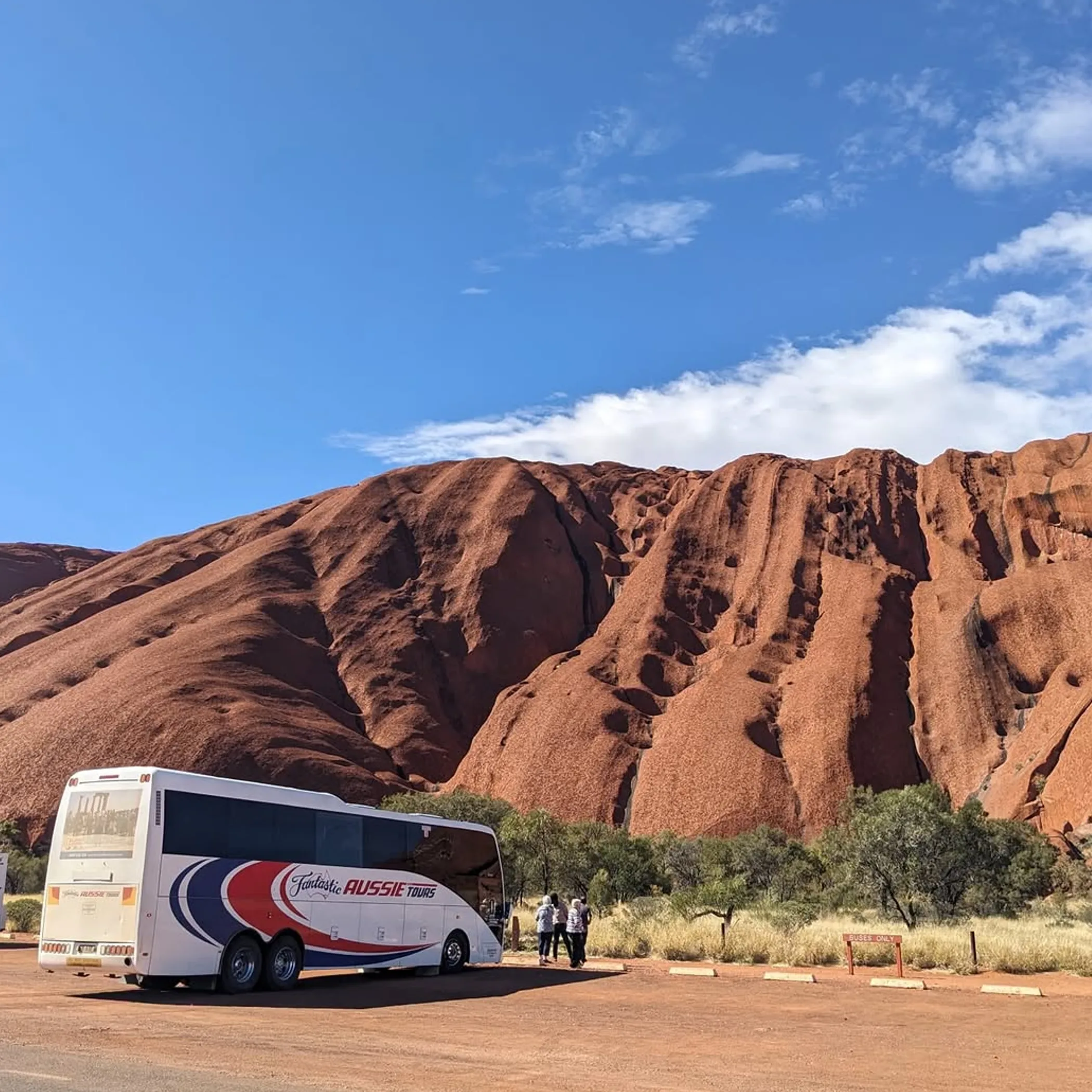
From June to August the year’s coolest weather makes its appearance. Daylight hours are the most physically comfortable for walking in the opinion of many, provided you have not packed as though for Darwin and are caught by the cold of the morning.
There is a tendency in winter to think central Australia is “the outback” so it must be warm. One can hold to that view until dawn when, standing in the dark, you are left to question why your fingers have turned to frozen chips.
June to August
For the most part Uluru is in the high teens or low 20s°C by day in winter, with overnight lows approaching 0°C. How you take to the cold will determine if it is an ideal period for you. The region may see frost in the lower inland country. It is fine for touring and walking with dry, sunny days, but the difference in temperature from afternoon to sunrise is marked.
A case for winter
If you are older, a photographer or of the disposition to melt in the heat, winter is well suited to you and a good call for any family with a plan. Not so much if you have no patience for layering or would rather be in the pool every day.
Some advice for winter
The ideal Uluru travel periods are accompanied by wide swings in temperature so have layers you can shed in a hurry. A warm jacket at sunrise, lighter fare by late morning. Put in bookings for the popular things in advance as the comfort level drives demand. And if you are behind the wheel from Alice Springs, give yourself time to do it properly, factoring in fuel, the odd emu, lookouts and toilets, not what you might like to think.
Spring is all over the place
September to November can be gorgeous or it can be punishing. Popular for good reason but then again later in the season the heat will get you even in the best of times.
Do not let a tidy forecast screenshot give you false sense of security in spring. A nice morning is no guarantee of a mild afternoon and in November it is as if summer has put in an early appearance.
What to expect September to November
You could be hard pressed to find a more comfortable spring than Uluru in September 2026 with its warm days and cool nights. But come November 2026 it is more likely to be hot, with the thermometer in the mid-30s°C or above during the day. Nights will be warmer and the wind will leave the air drier than you would think.
Making the most of spring
There is no better time for a morning at Kata Tjuta, base walks or sunrise platforms than in spring, not to mention the longer days for sightseeing. That is what makes it one of the ideal Uluru travel periods. September and October are the sweet spot for those who like some warmth but would rather avoid the kind of heat late spring can put on you. You could make November work, though it will demand more in the way of summer planning than most first timers give it credit for.
Traditional Aṉangu Seasons
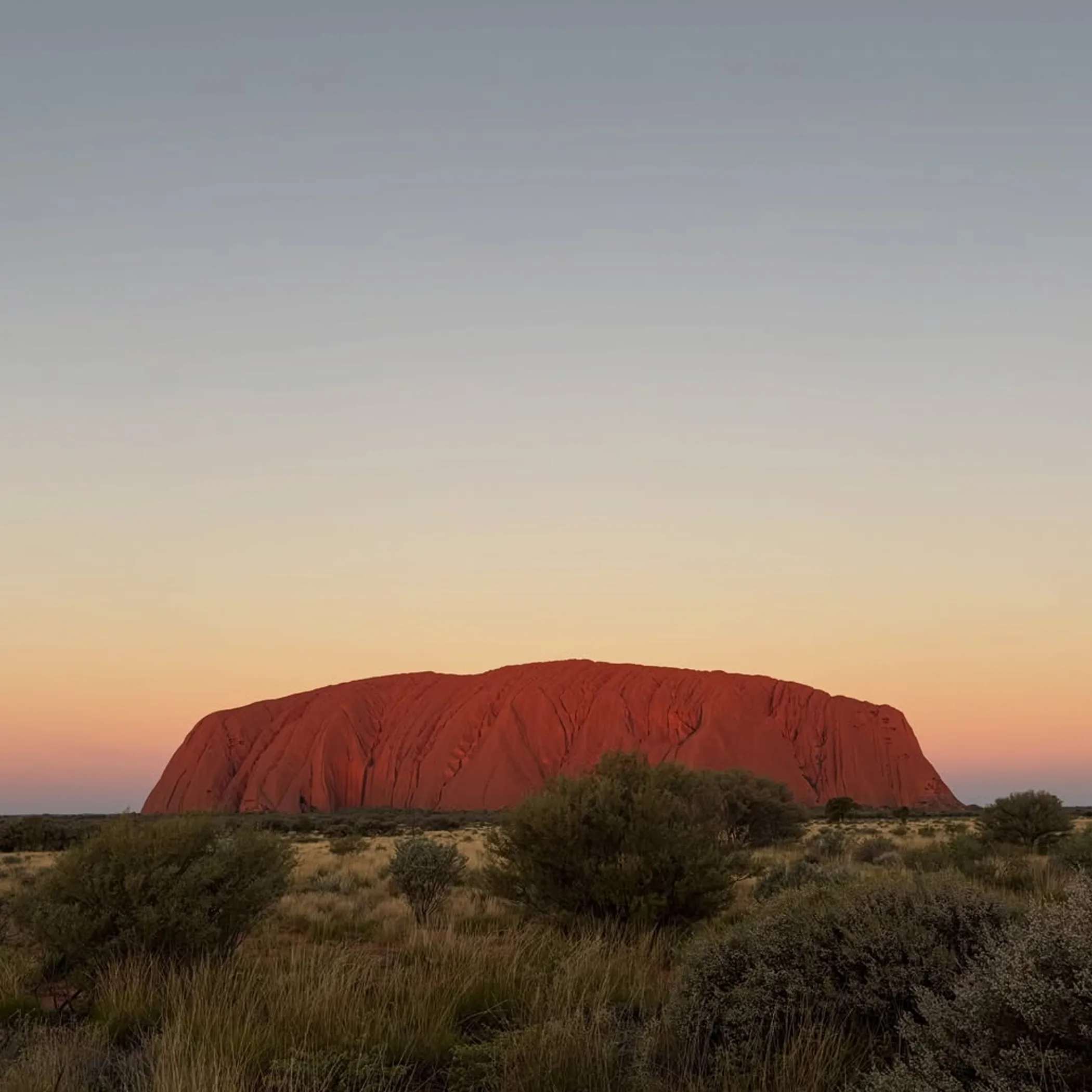
One does not have to put a European four-season label on the weather in the Red Centre. The traditional Aṉangu seasons and their indicators are born of long observation of the country and its flora and fauna and changing conditions; they provide a deeper insight into when to visit Uluru than any monthly average will. After all, the country has little regard for a calendar, and while travellers are fond of having fixed dates, nature is indifferent.
Why Local Knowledge Matters
Aṉangu cultural interpretation and Parks Australia will put things in perspective for visitors: in a place with irregular rainfall and abrupt seasonal change, the behaviour of an animal or a shift in the wind is as good a guide to the ideal Uluru travel periods as a forecast chart. It is better to peruse the local park information than put your faith in a 10 day generic Uluru forecast.
Monthly Quick Reference
For a quick overview there is a practical guide to Uluru’s seasonal weather in the table below. These are broad ranges for planning purposes, not a replacement for what the latest forecast has to say. Your budget, how far you intend to walk and tolerance for heat will ultimately dictate the ideal period.
| Month | Typical Pattern | Practical Expectation | Best For |
| January | Very hot; chance of storms | Daytime 38–40°C+ | Short early activities |
| February | Very hot; can be humid | High risk of heat stress | Those who can stand the heat |
| March | Hot yet easing | Warmer than mid-summer | Shoulder season |
| April | Comfortably warm | Ample time outdoors | Scenic touring and walking |
| May | Mild by day, cool at night | A very nice balance | First time around |
| June | Sunny with cool mornings | Put on a layer at dawn | Photography and day walks |
| July | At its coolest | Overnight lows can be cold | To get away from the heat |
| August | Cool if not mild | All round good | Has wide appeal |
| September | Warm, popular | Easier to plan | A classic Red Centre outing |
| October | Spring is warmer now | Fine mornings, hot afternoons | For a well balanced itinerary |
| November | Feels drier and hot | More of a summer approach | An early start is called for |
| December | Very hot; risk of storms | Limited sightseeing | Only for the flexible |
Best Time To Visit
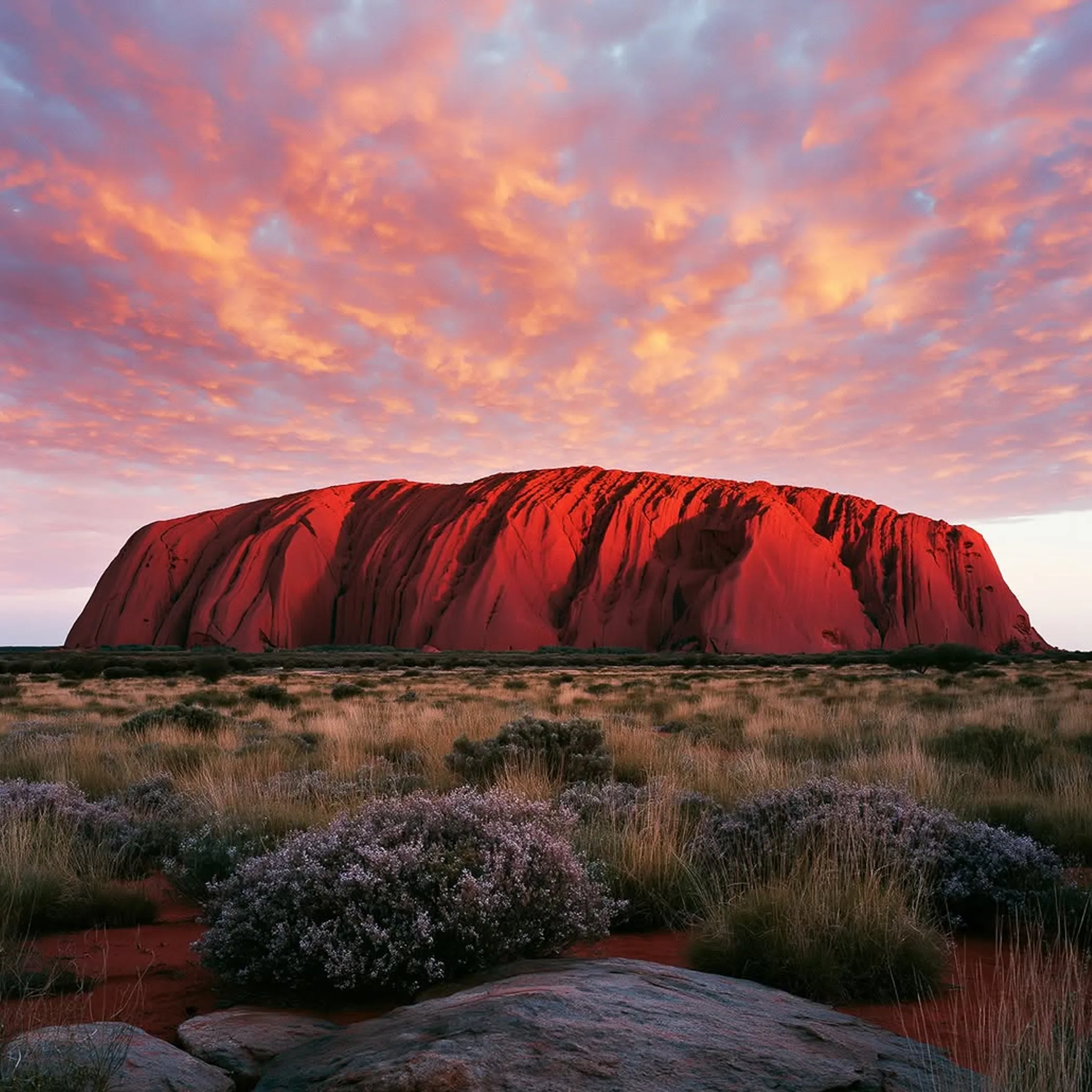
The unvarnished answer for the best time to be at Uluru is April through May or August to October. You will find the daytime exploring and touring to be comfortable, the nights cooler and the weather less likely to throw up a nasty surprise. For walking and comfort in the day, winter to early spring is without equal. Autumn is fine if you want a warm evening sans the worst of the heat. As for high summer, that is usually not the time to come to Ayers Rock unless you have made your peace with extreme heat and are content to keep to short, early activities.
Who Should Choose Which Season
If you are of a sensitive disposition to heat, or travelling with family or older members, stick to the ideal Uluru travel periods in autumn, winter or early spring. A seasoned outback traveller will cope with the summer desert conditions but do not delude yourself that 41°C is “not too bad” and expect a reward for it.
Getting There And Around
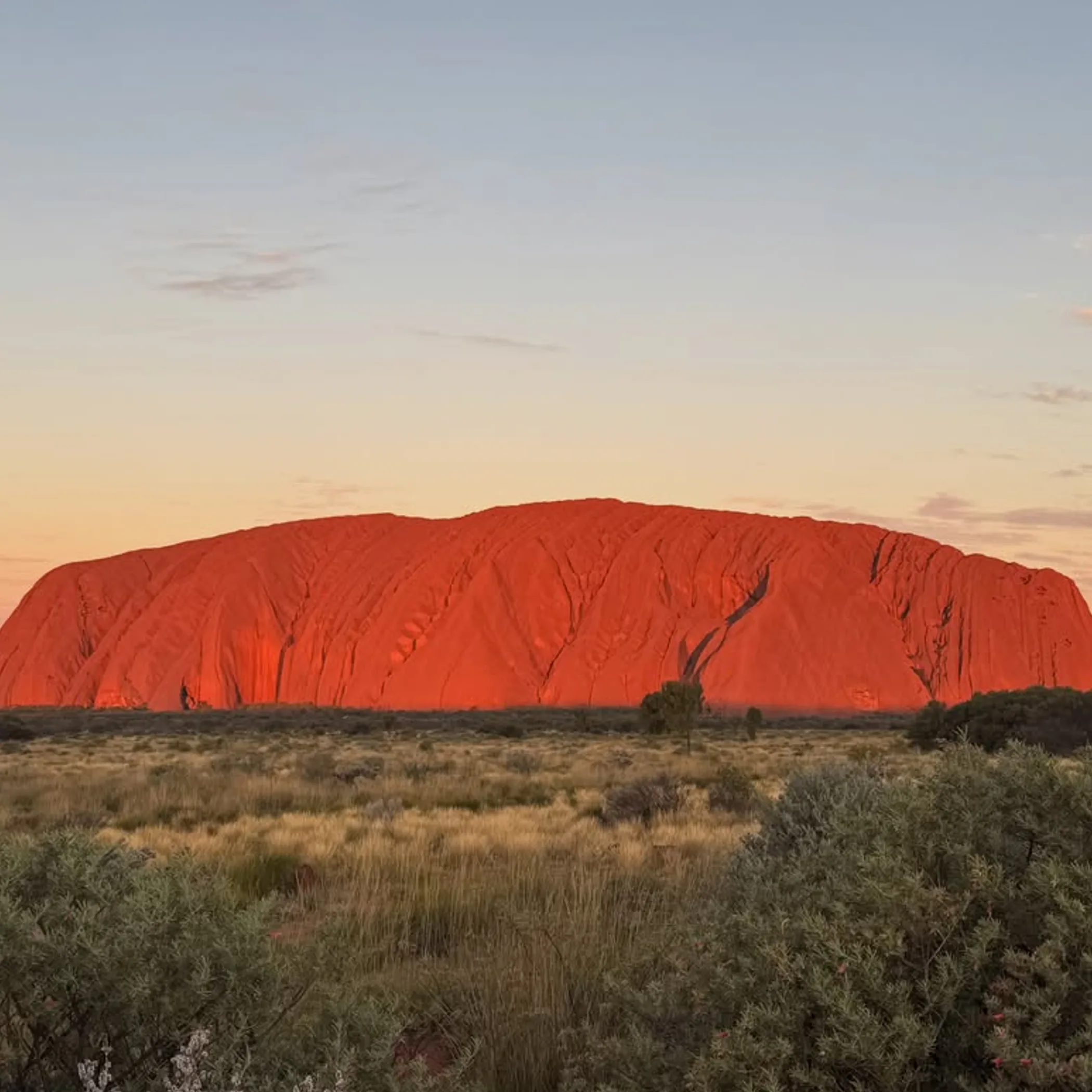
Sloppy logistics will render the best of weather plans moot. Whether you fly in to the Ayers Rock Connellan Airport at Yulara or put in the drive on the Stuart and Lasseter Highways, your comfort is enhanced when the timing is right. The drive from Yulara to the National Park is easy enough but the distances are of the outback variety. You will find the parking at the main viewing and walk access points in order, but they can be crowded at the going and coming of the sun. And if you are putting in a return to Alice Springs in one day, be under no illusion it is a long haul, hardly the sort of thing to add to a tiring, hot day.
Rough Cost Expectations
There is some variation in costs, but a traveller would be wise to put aside funds for the likes of park fees, putting up in Yulara, car hire or transfers (in the ideal Uluru travel periods) and food which will not come as cheap as in the city. In general you can count on accommodation here being more expensive than at many a regional Australian destination by virtue of its remoteness; the same premium applies to fuel and what one puts on the table.
Packing And Safety By Season
A sensible way to spare yourself trouble is to pack accordingly. At Uluru it is not a matter of having the right gear to look the part in a photograph, but of avoiding sunburn or dehydration or being left without the basics when conditions have a way of changing fast outside the prime travelling times. One does not want to be chilled at dawn either.
Summer: take light clothes, a hat with a good brim, electrolytes, high-SPF sunscreen, a pair of sunnies and refillable water bottles. Have a plan to be indoors at midday.
Autumn/Spring: you will need layers and sun protection, a daypack for the odd temperature shift, water and shoes that are up to the walking.
Winter: UV levels still mean business so bring your daytime sun gear along with a warm jacket, beanie and long pants and closed in shoes.
Things That Trip People Up
The errors tend to be of the simple variety: underestimating the overnight cold, a lack of water, flimsy shoes, no breakfast before setting out on a walk, or the notion that the ideal Uluru travel periods absolve one of all risk. Poor planning and fatigue will make an ordinary day of it in short order, even in the cooler months.
One Day Only?
Make the most of a single day by seeing the sunrise at Uluru and getting in a cultural stop or a walk of reasonable length in the morning, then have lunch and rest before the sunset, particularly in the ideal Uluru travel periods. You could do Kata Tjuta but there is little point in rushing through both in the heat and ending up with more car park in view than country. Quality is what a beginner should opt for over quantity.
Get in ahead of the sun with extra water or warm layers as the season dictates.
Make of the morning your outdoor activity.
Then rest until the worst of the heat has passed and put together an easy evening for the return to see the sunset.
In Retrospect
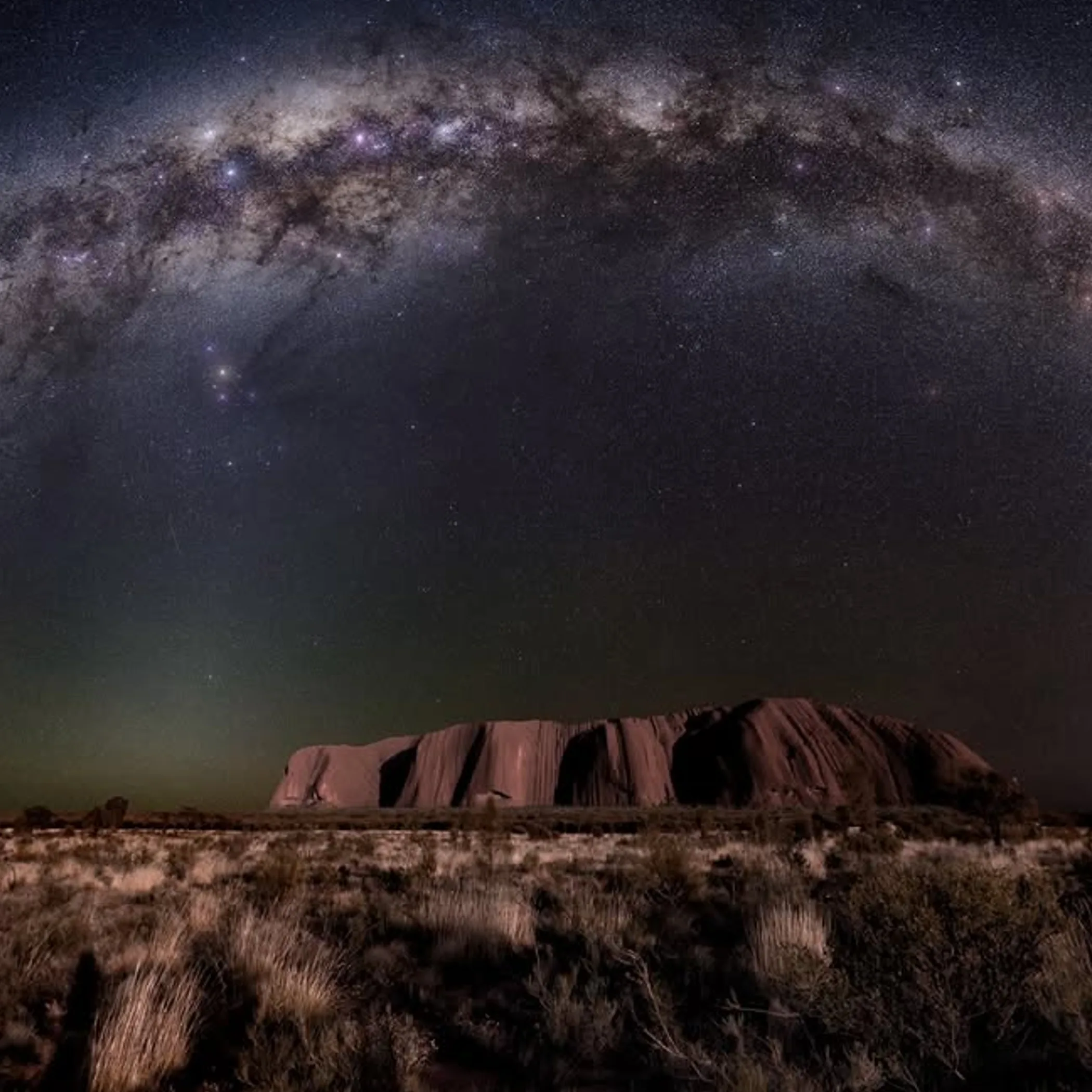
Do not think of the seasonal weather at Uluru as mere background detail. It will determine how safe you are and if your time there is calm or you end up completely cooked. Most will find autumn and the first half of spring to be the ideal Uluru travel periods, though winter is fine provided one can stand a cold start.
Seraphine Langston would put it this way: be comfortable rather than brave. The Red Centre has no use for you to prove a point. Come prepared and pay heed and the place will show itself, no need to battle the forecast.
FAQ
To help with making sense of the 2026 Uluru weather and the best times to be there, we have put together the questions travellers put to us most.
Best month for Uluru?
Within the ideal Uluru travel periods you will hard press to do better than May, August, September or October for the balance they provide of a cool morning or evening and a daytime that is manageable.
Will Australia be hot in the summer of 2026?
In the case of the Red Centre and Uluru you should plan on it being hot. It is in keeping with the desert climate and what one expects from the season, not some aberration, even beyond the ideal Uluru travel periods. For any heatwave advice or short-range updates from the BOM, check closer to when you depart.
Is there a time to steer clear of Ayers Rock?
Those who do not cope well with the heat would be well advised to put off a visit in December through February. They are not the ideal Uluru travel periods for the majority and you are looking at extreme highs, a constricted sightseeing window and hard going on foot.
How much of Uluru is under ground?
You will hear some figures bandied about among tourists but they are without context. For planning purposes the ideal Uluru travel periods are of more consequence than such folklore. Let Parks Australia’s interpretive material be your guide to the geology, not something on social media.
Can I rely on a 10 day forecast for Uluru?
It has its uses for a bit of short-term scheduling and packing in the end, but do not let it stand in for proper seasonal planning around the ideal Uluru travel periods. A number on a forecast is not the only source of practical risk in a desert where exposure and timing are factors and things can change.
